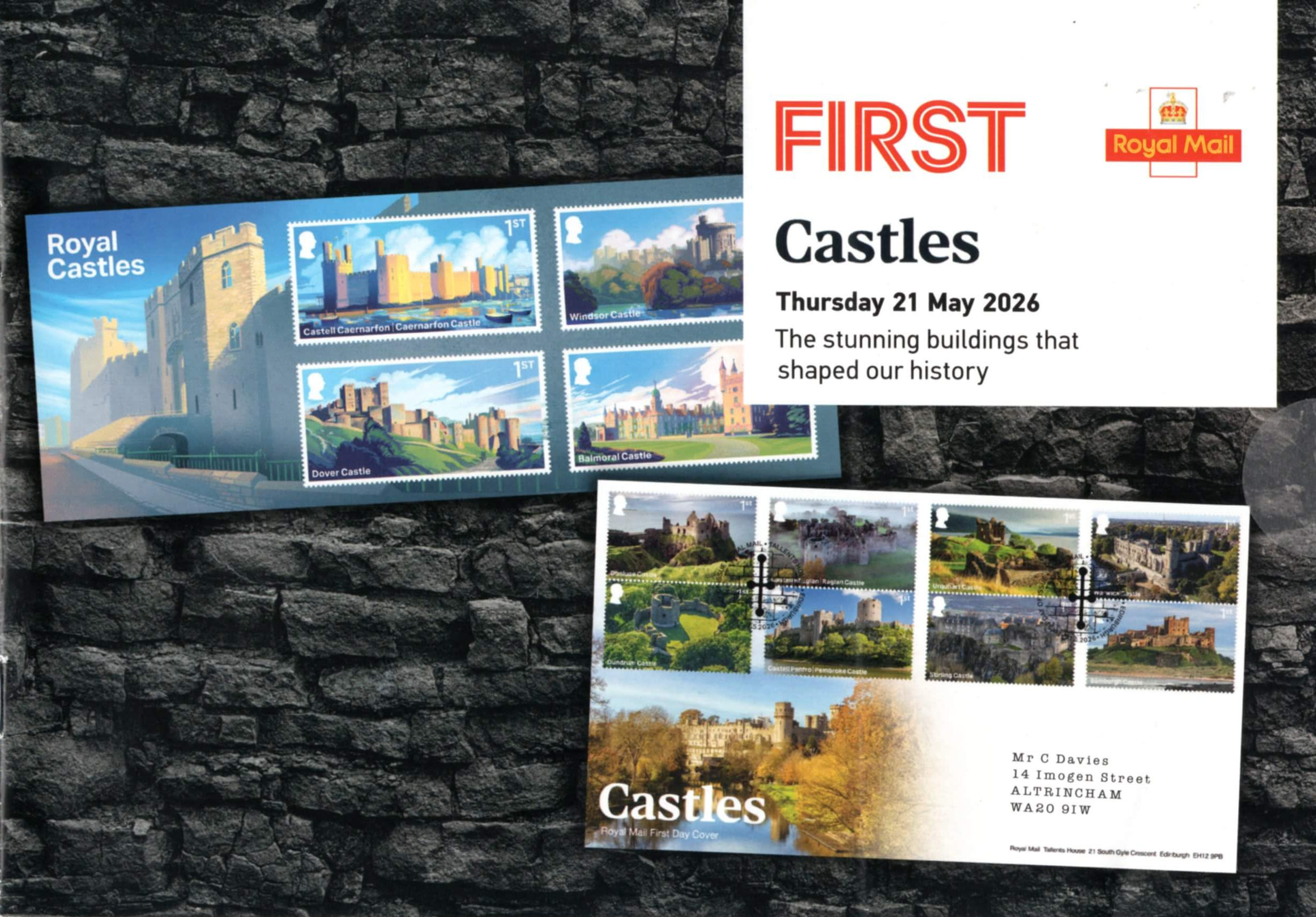
Castles
2026 (May 21 2026)Commemorative
Stamps
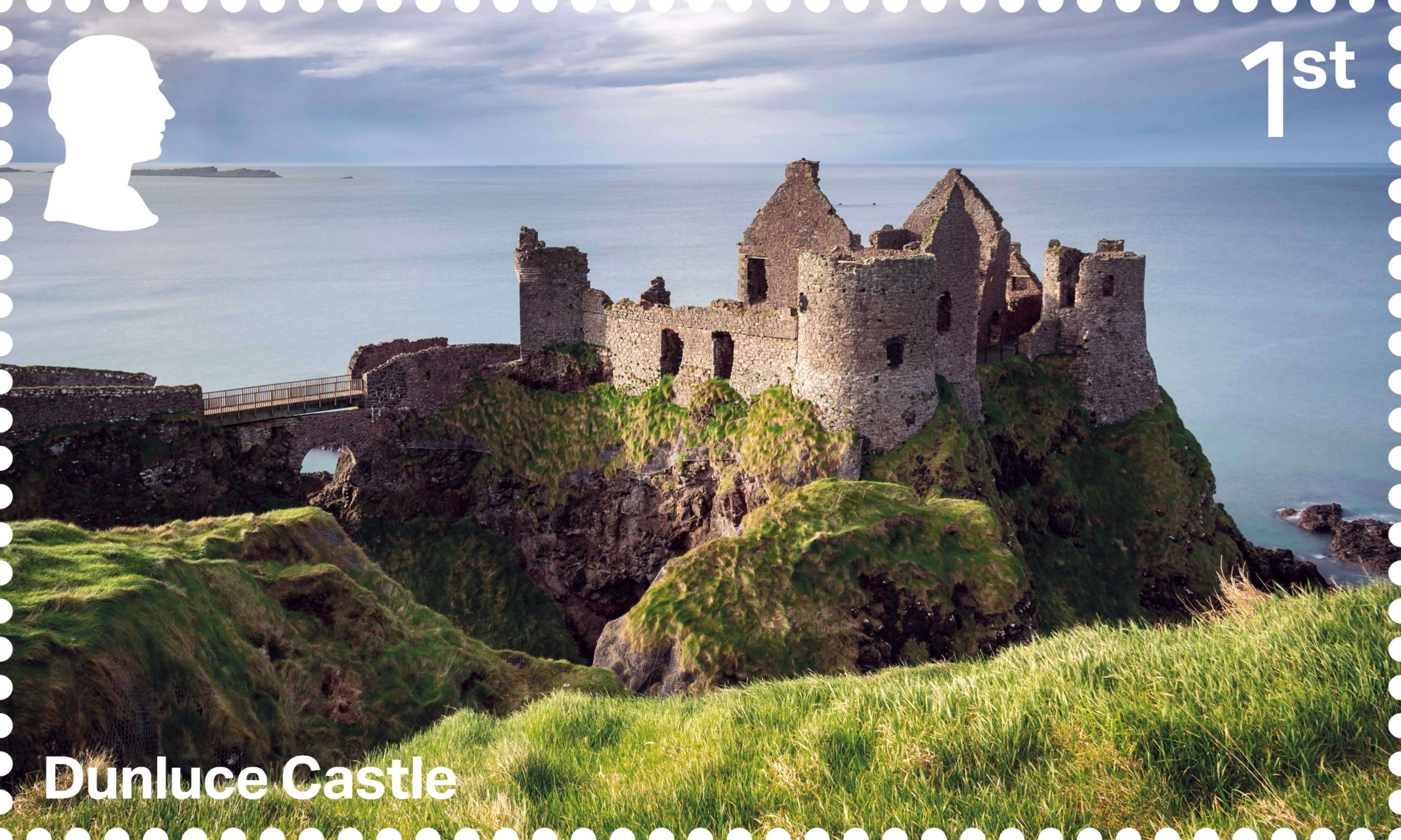
Dunluce Castle
1stCastles played an important role in attempts by the English Crown to secure and colonise Ireland in the 17th century. Dunluce Castle was built in the 16th century by the MacQuillans, and in July 1604 a grant confirming Randal MacDonnell in possession of his lands in Ulster proposed the establishment of "a fort or garrison" there. The castle stands on a rock that projects dramatically into the sea. In 1611, a visitor reported that the encircling wall contained "a good house of stone with many lodgings" and the neighbouring town was "peopled for the most part with Scottishmen", colonists from across the sea.
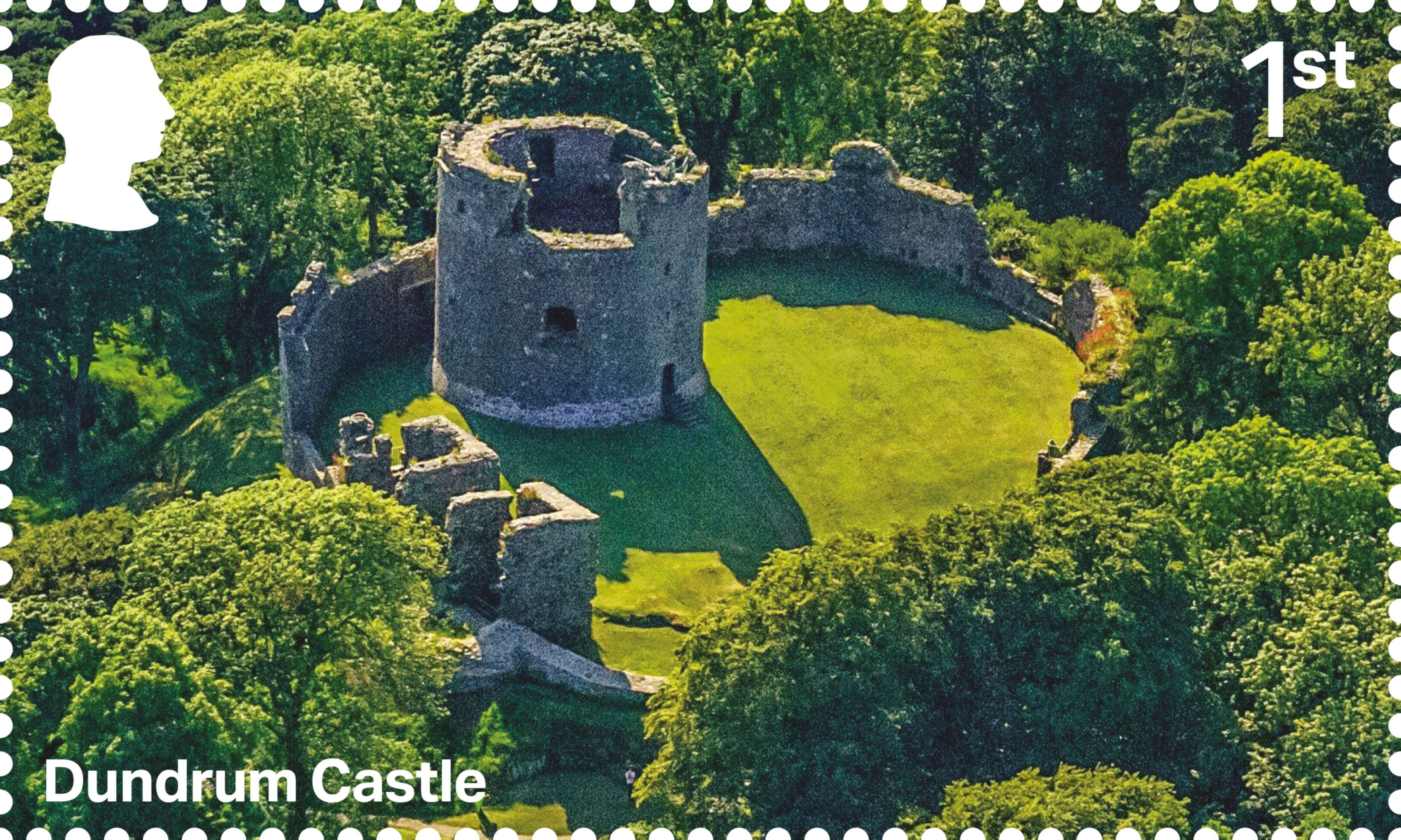
Dundrum Castle
1stDundrum Castle was one of the first generation of castles built by Anglo-Norman adventurers eager to acquire territory in Ireland from the 1170s onwards. Set on a hill that commands a natural harbour with wide beaches to pull up boats, the castle was well-placed to secure communications with the west coast of England and Wales. The exact circumstances in which the castle was founded remain uncertain. It was probably established by John de Courcy but quickly passed to a rival, Hugh de Lacy, Earl of Ulster, who is thought to have built the circular keep that dominates the castle by about 1211.
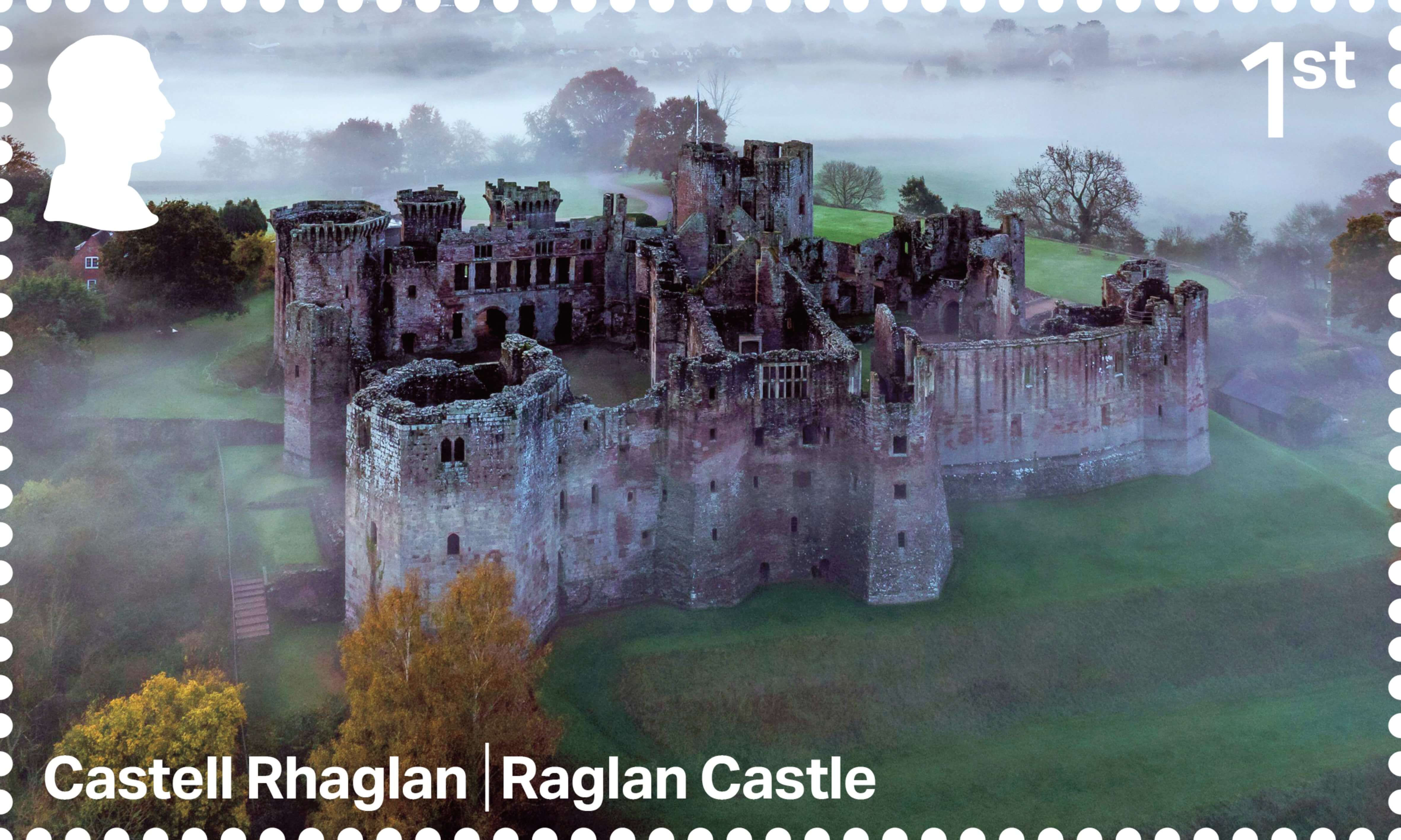
Castell Rhaglan | Raglan Castle
1stA royalist stronghold during the Civil Wars, Raglan Castle was deliberately destroyed after its surrender on 19 August 1646. William ap Thomas began building the castle around 1435, but it was his son, William Herbert - nicknamed the masterlock or effective regent of Wales - who made it a palace-fortress. The centrepiece was a tower of prodigious size that was known by the 17th century as the Yellow Tower of Gwent. In the 1580s, William Somerset, 3rd Earl of Worcester, further enlarged the castle and created extensive gardens around it.
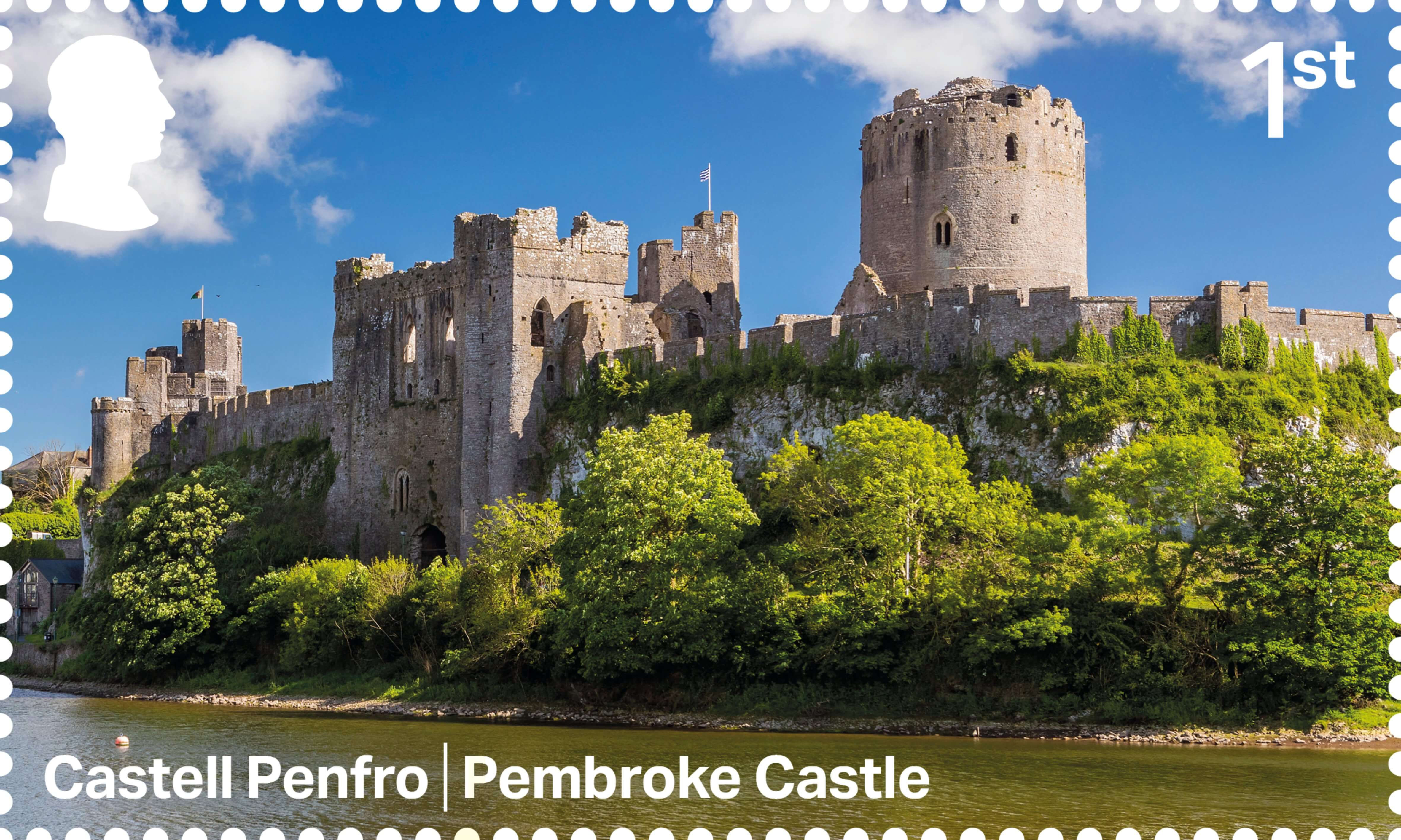
Castell Penfro | Pembroke Castle
1stThe Normans were quick to extend their power into south Wales in the late 11th century, staking out their conquests with castles. Of these, Pembroke Castle, which commands a natural anchorage, was one of the largest and most important. The great drum-shaped keep that towers over the walls was probably begun in 1199 by William Marshal. He was one of the most celebrated knights of his age and was created Earl of Pembroke that year. The keep was originally crowned with a triple ring of battlements, a very unusual detail.
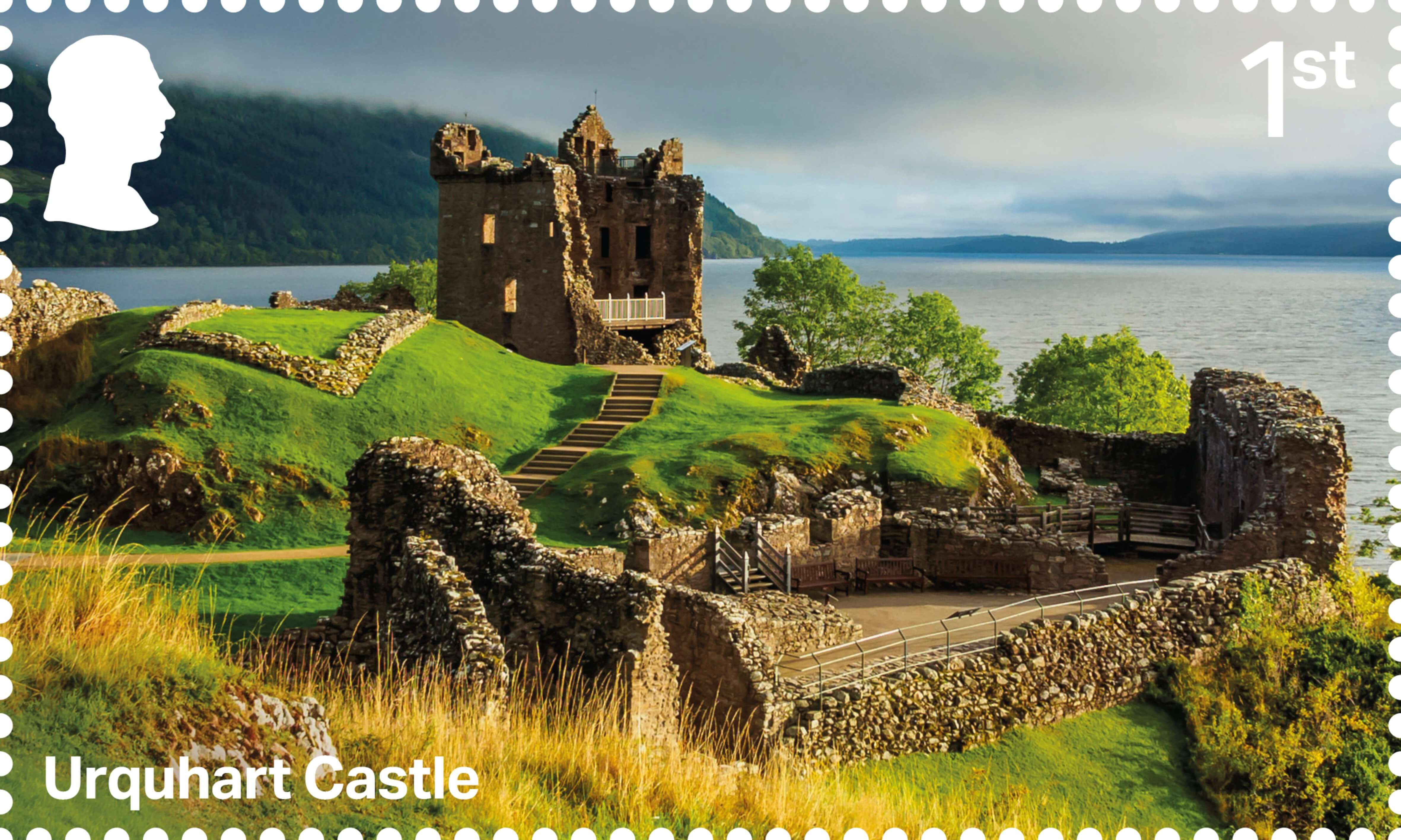
Urquhart Castle
1stIn about 1230, Alan Durward, the son-in-law of King Alexander II of Scotland, began to develop a castle at Urquhart, on the western shore of Loch Ness. The rocky peninsula on which it stood has a history of occupation that probably stretches back to the Iron Age. Over the course of the Middle Ages, the castle played a role in the violent internal politics of Scotland but ceased to be occupied as a residence by the early 17th century. It was last garrisoned in 1689 but was not besieged. Nevertheless, the buildings were damaged on this occasion and were never subsequently repaired.
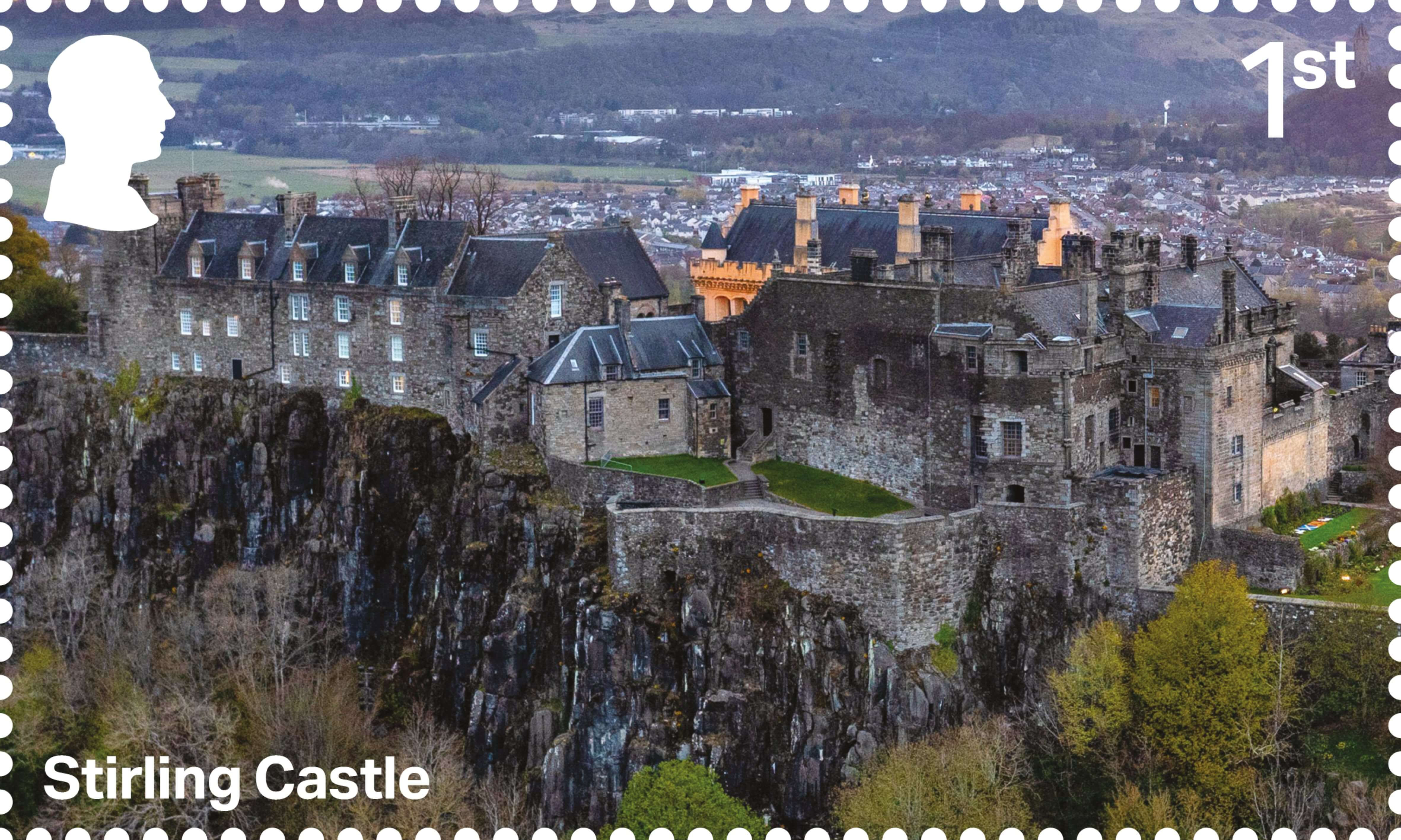
Stirling Castle
1stDramatically set on an outcrop of rock above the floodplain of the River Forth, Stirling Castle commands a natural crossroads between the Highlands and the Lowlands of Scotland. Two crucial Scottish victories in the wars of independence from England were fought within sight of its walls: the Battle of Stirling Bridge (1297) and the Battle of Bannockburn (1314). It was also here that King Edward I tested his massive catapult known as the war-wolf during a siege in 1304. Stirling remained an important royal residence throughout the Middle Ages, and its fine royal apartments, probably begun in 1538, have recently been recreated.
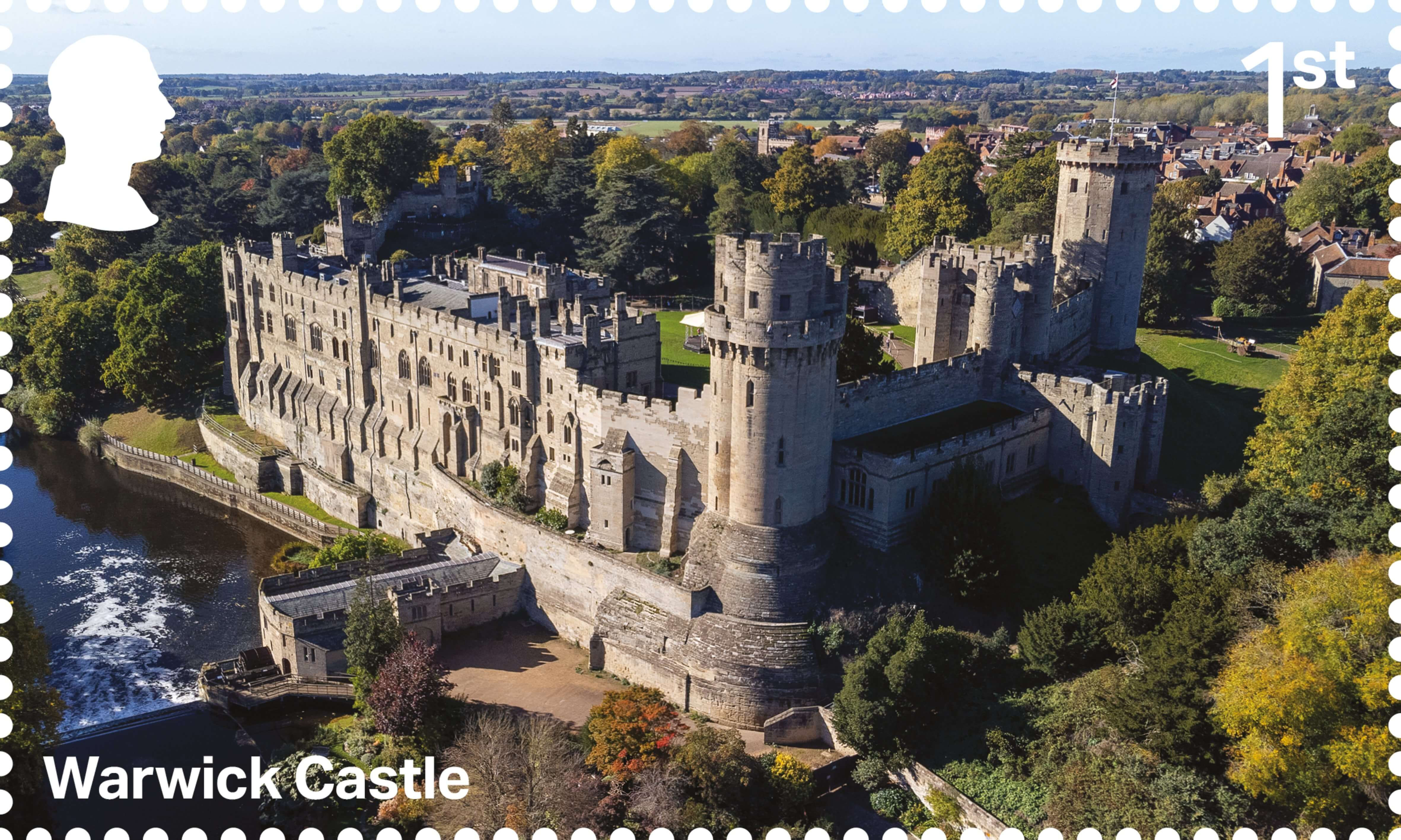
Warwick Castle
1stWarwick Castle was built by William the Conqueror during the brutal military campaigns fought against the Anglo-Saxons that followed the Battle of Hastings in 1066. In 1068, William ordered its construction to control the town and, according to the Domesday survey of 1086, several properties were demolished to accommodate its fortifications. The castle became the seat of the Earls of Warwick, one of the greatest noble lines of the Middle Ages. They ambitiously redeveloped the building in stone from the 14th century and named its highest tower after the hero of chivalric literature, Guy of Warwick, from whom they claimed descent.
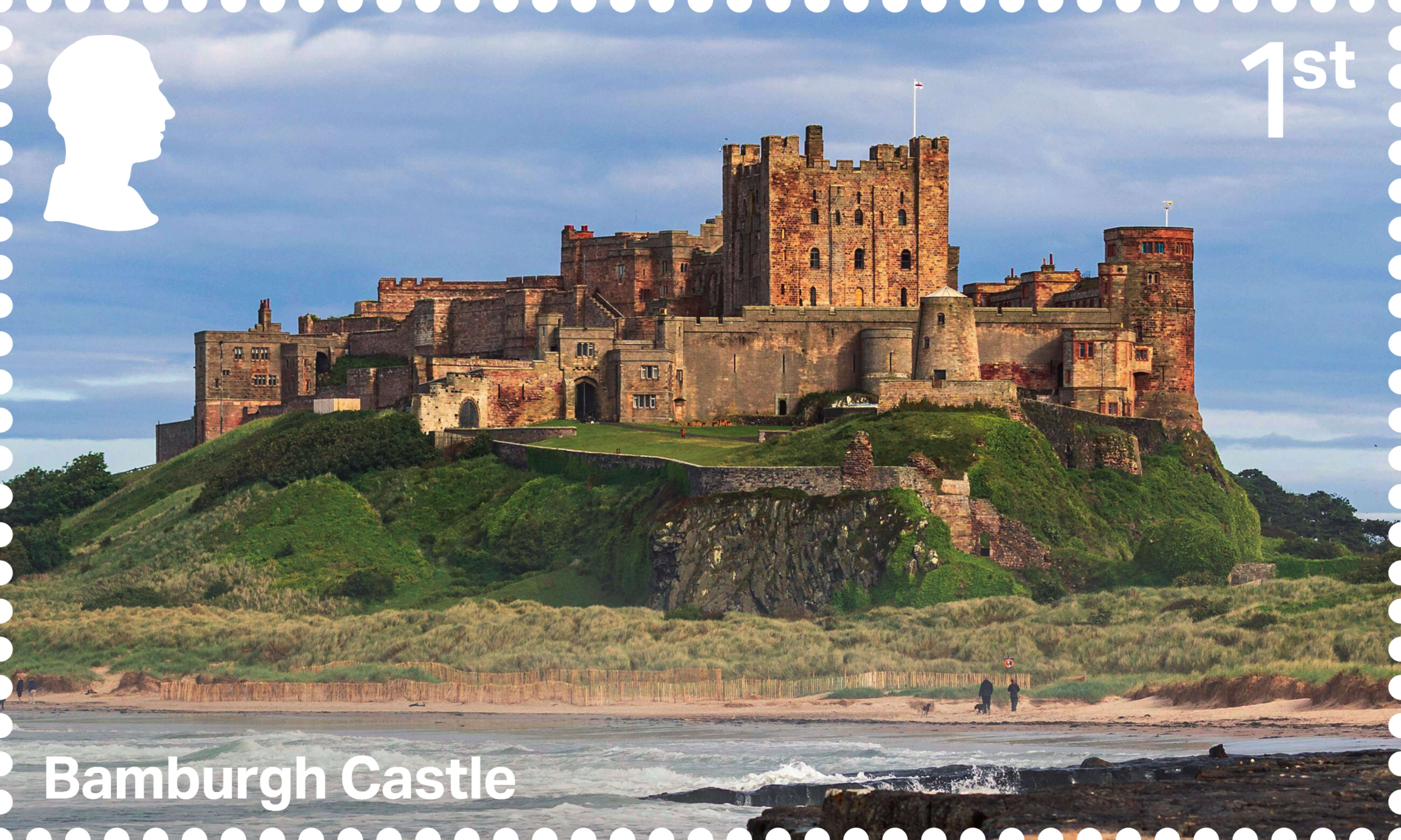
Bamburgh Castle
1stBamburgh Castle stands on a volcanic plug that was first fortified from 547 as the capital of the Anglo-Saxon kingdom of Bernicia. It was subsequently a castle of the Earls of Northumbria until 1095. A great keep, built on the rock in about 1120, established this as the northernmost royal fortress in England. The castle was last besieged in 1464 and fell into ruin during the 16th century. Curiously, it was repaired as a hospital and school in the 18th century by Lord Crewes Charity and then remodelled as a residence from 1894 by Lord Armstrong of Cragside.
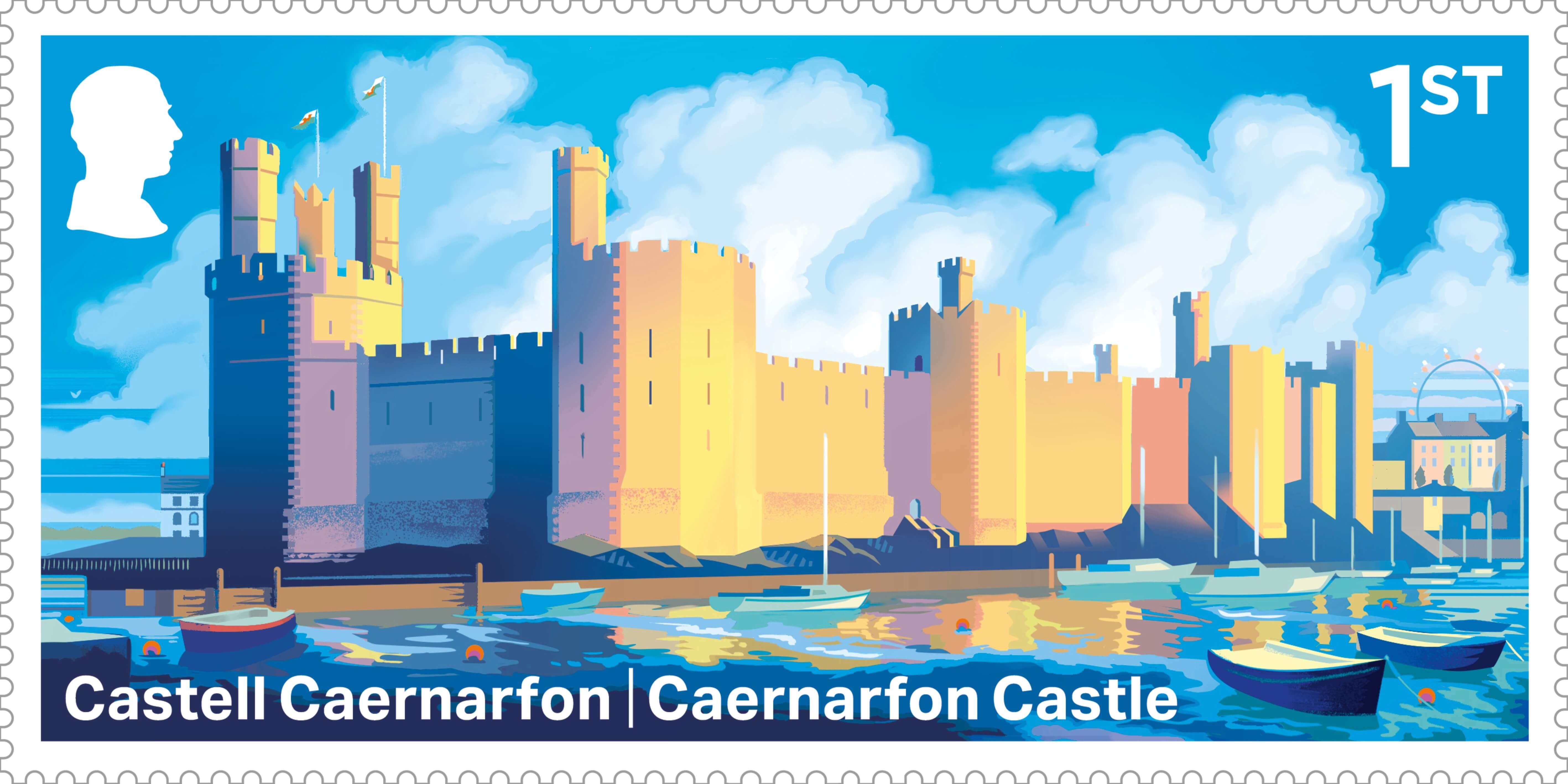
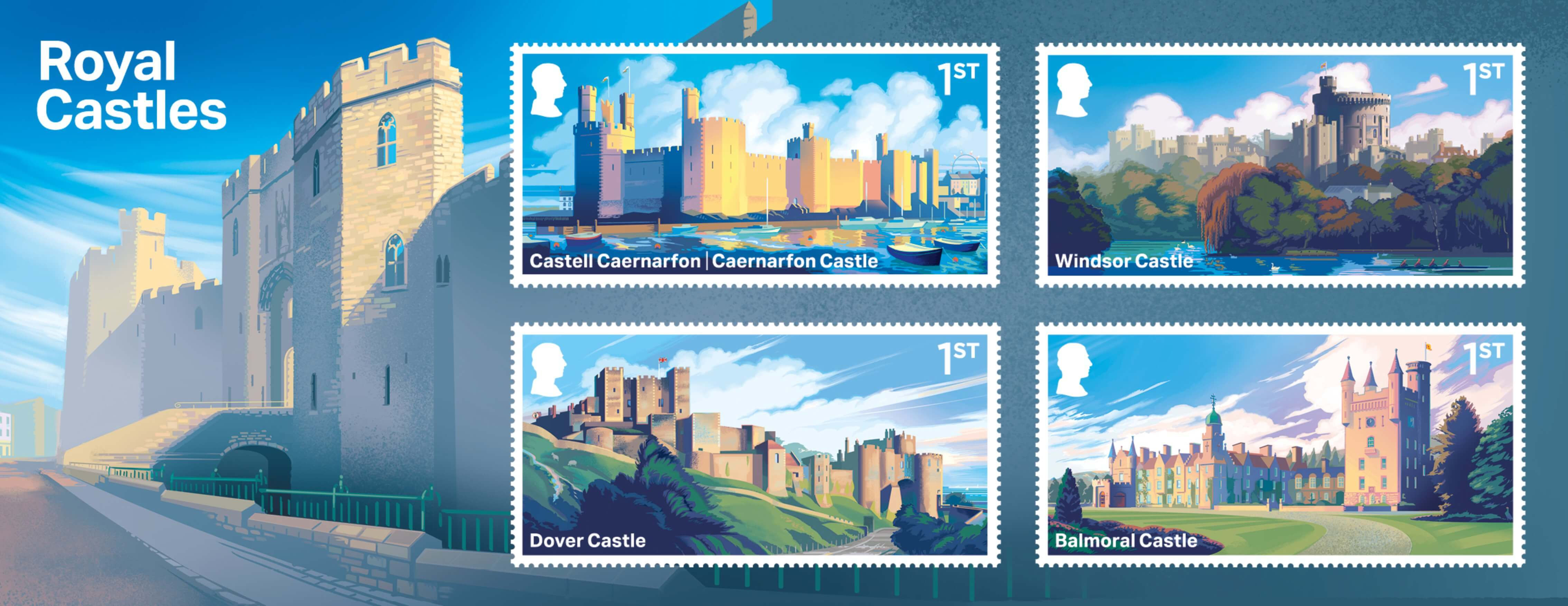
Castell Caernarfon | Caernarfon Castle
from Miniature Sheet1st
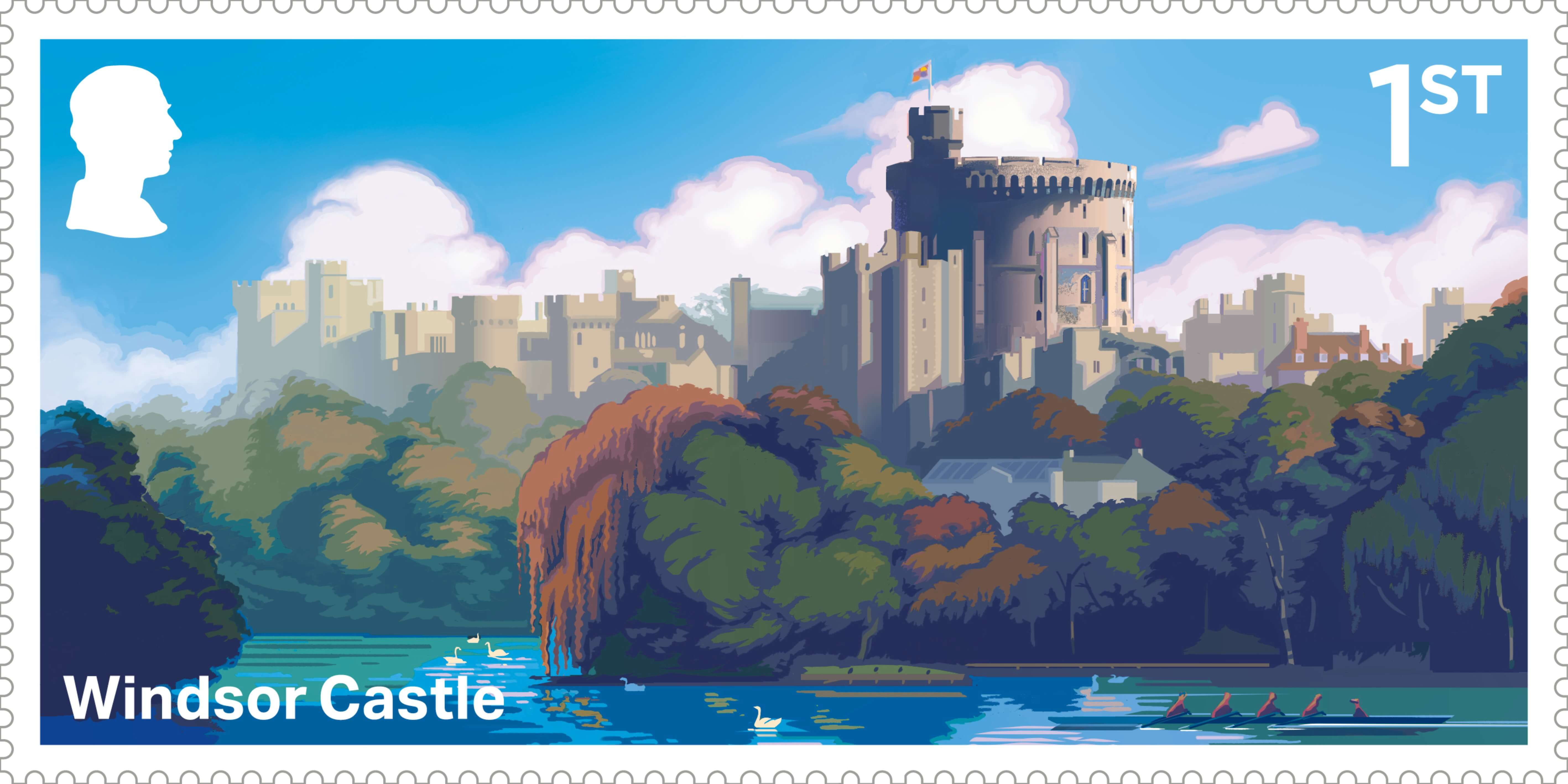
Windsor Castle
from Miniature Sheet1st
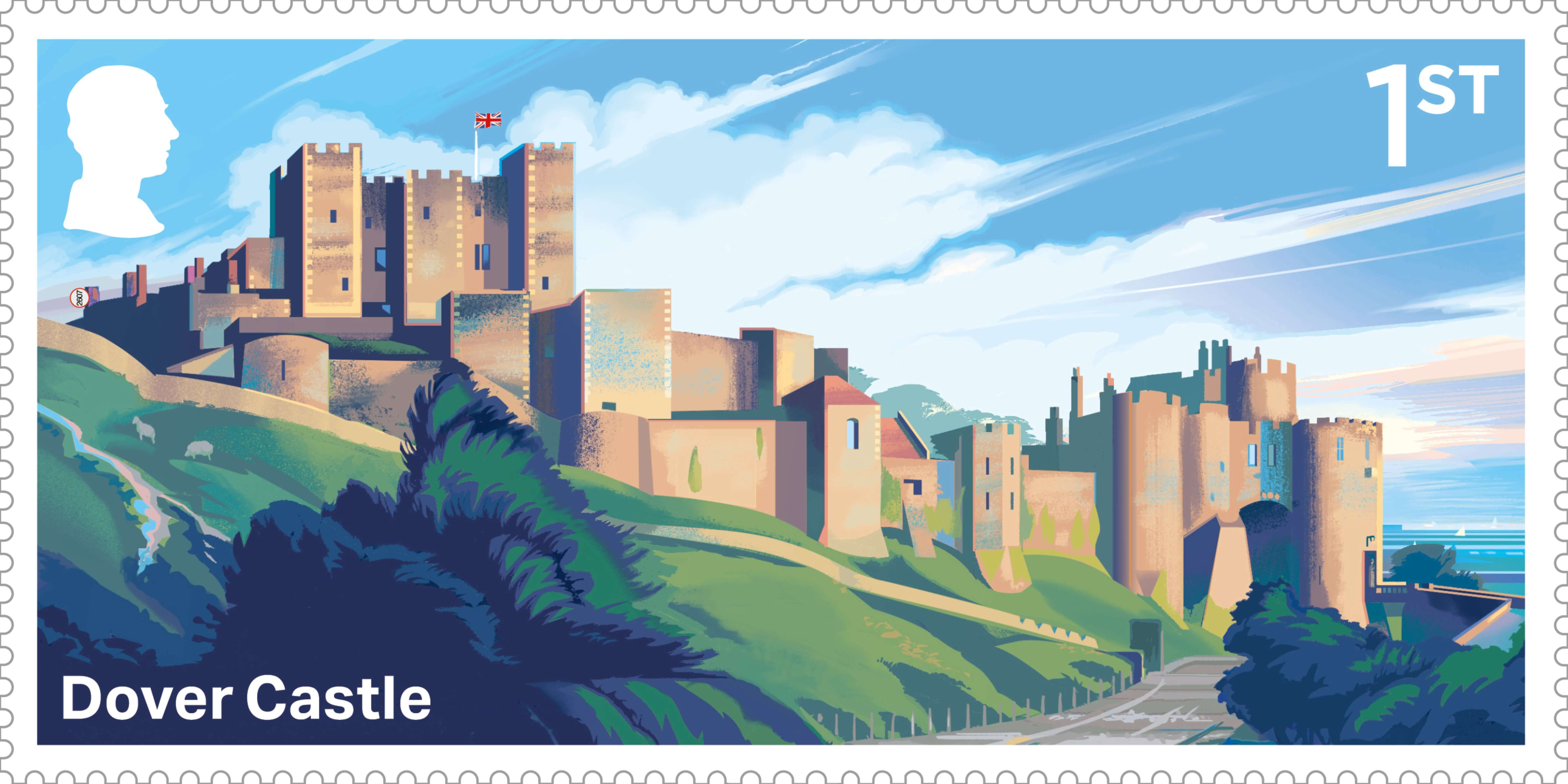
Dover Castle
from Miniature Sheet1st
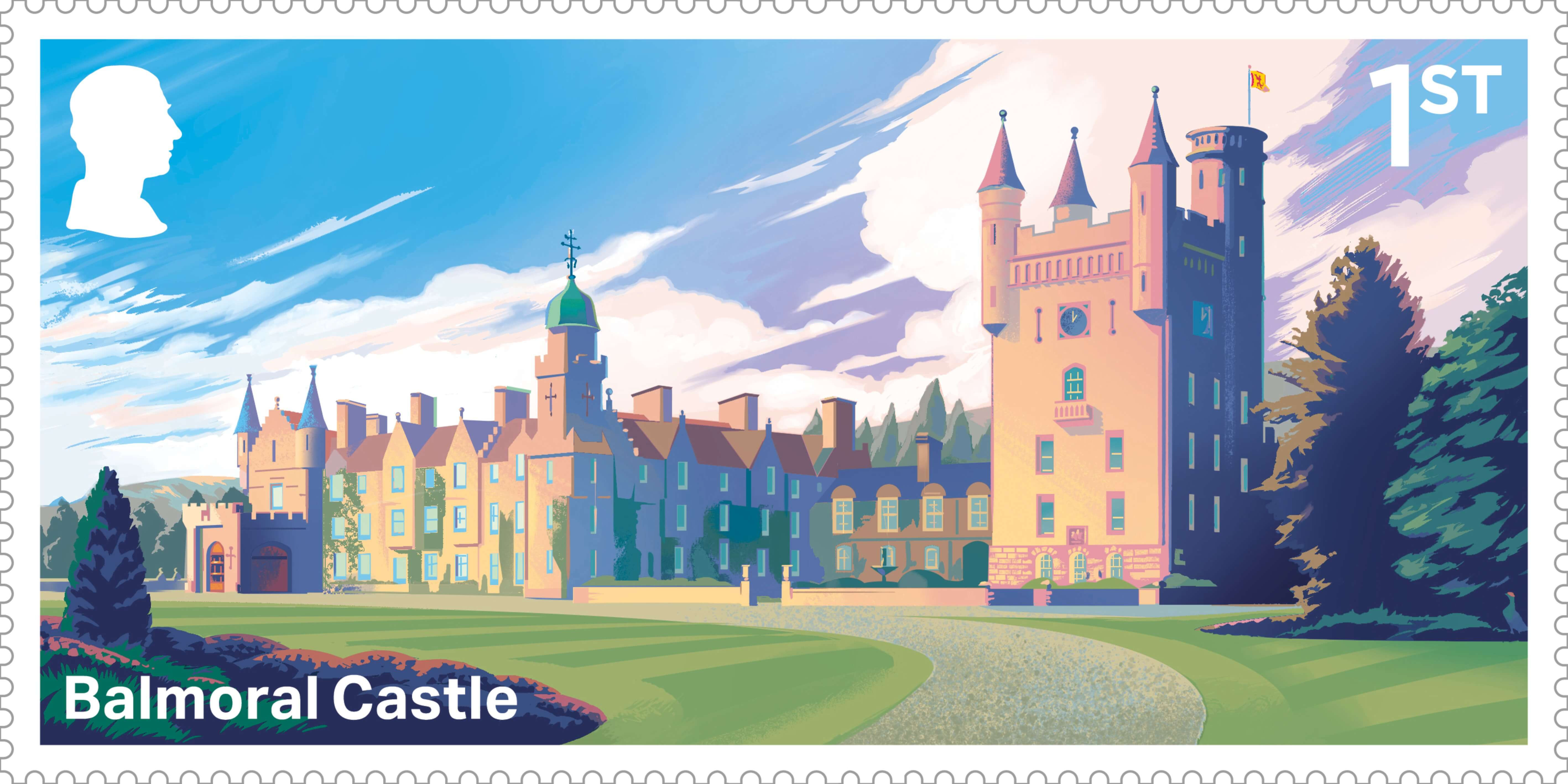
Balmoral Castle
from Miniature Sheet1st
Miniature Sheet